Fate’s Capriciousness
On View:
September 4 – October 24, 2026
Opening Reception:
September 9, from 6-8PM
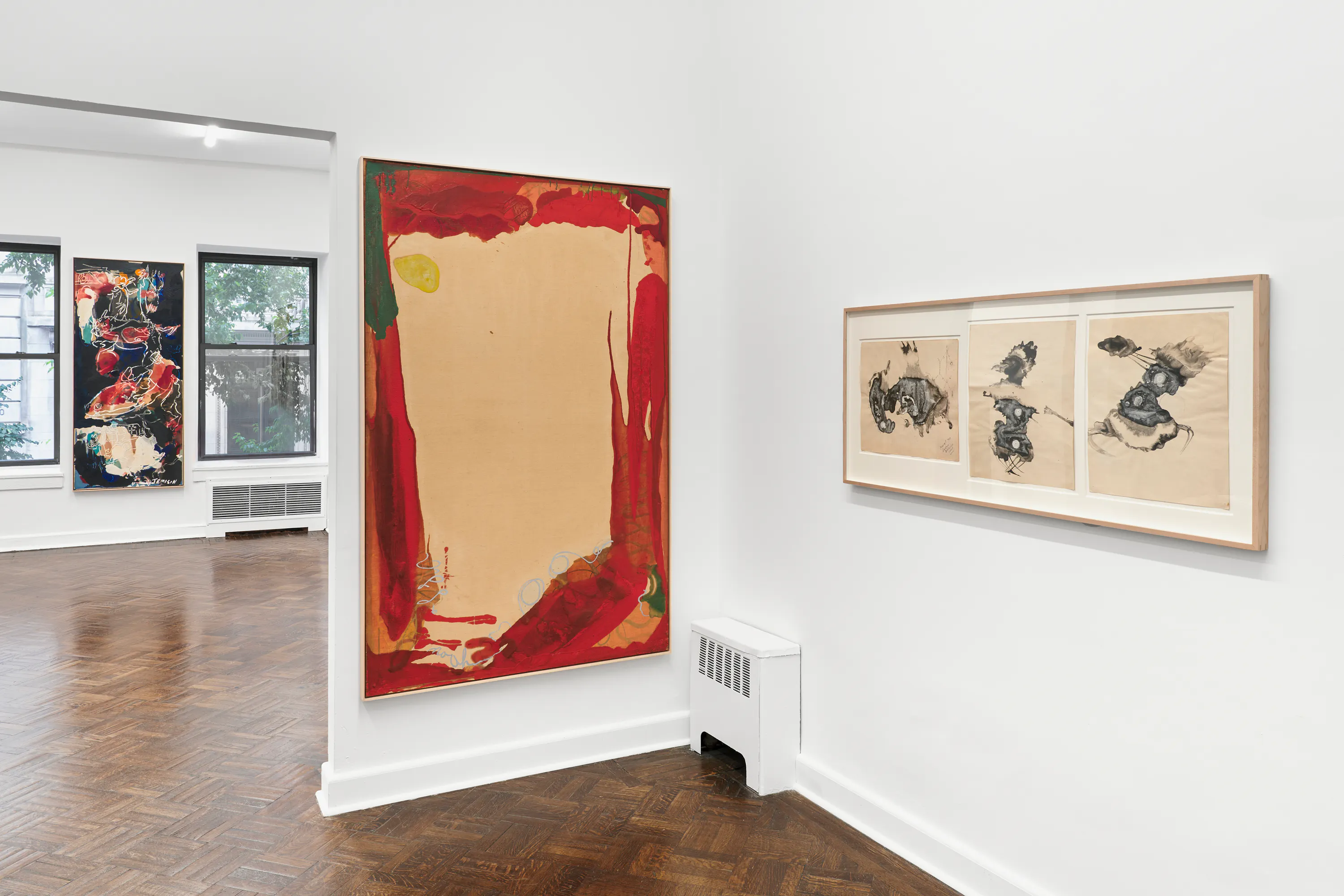
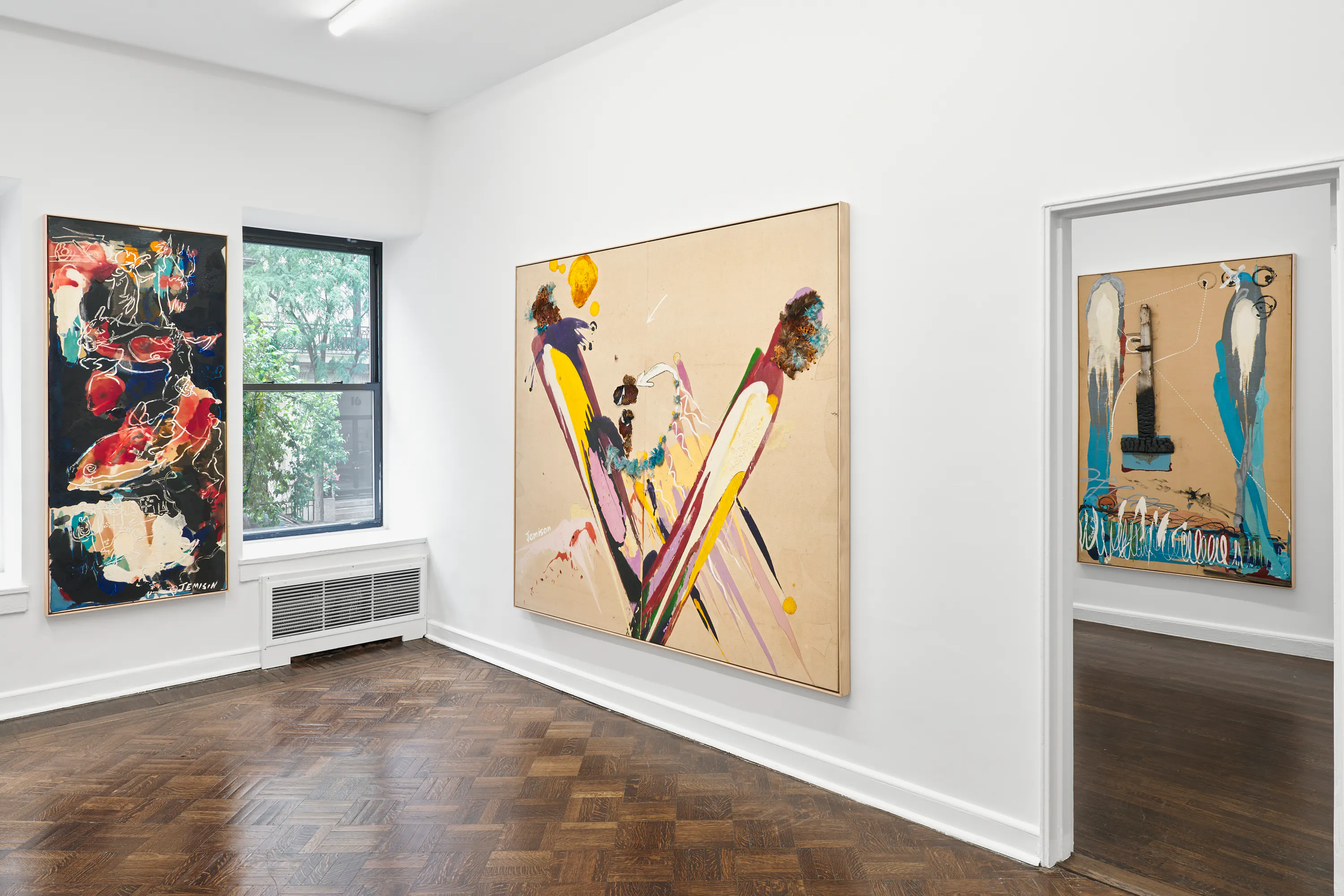
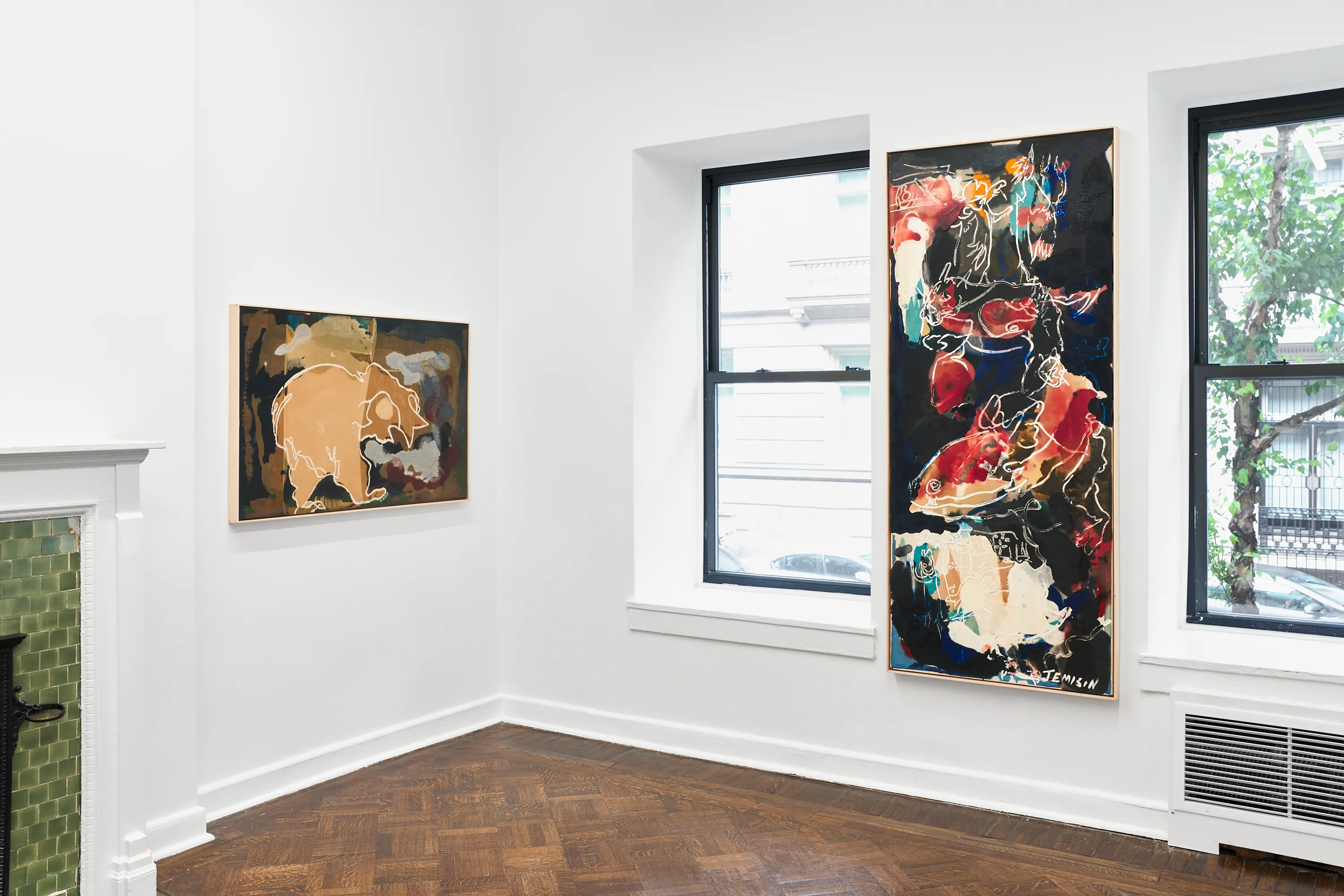
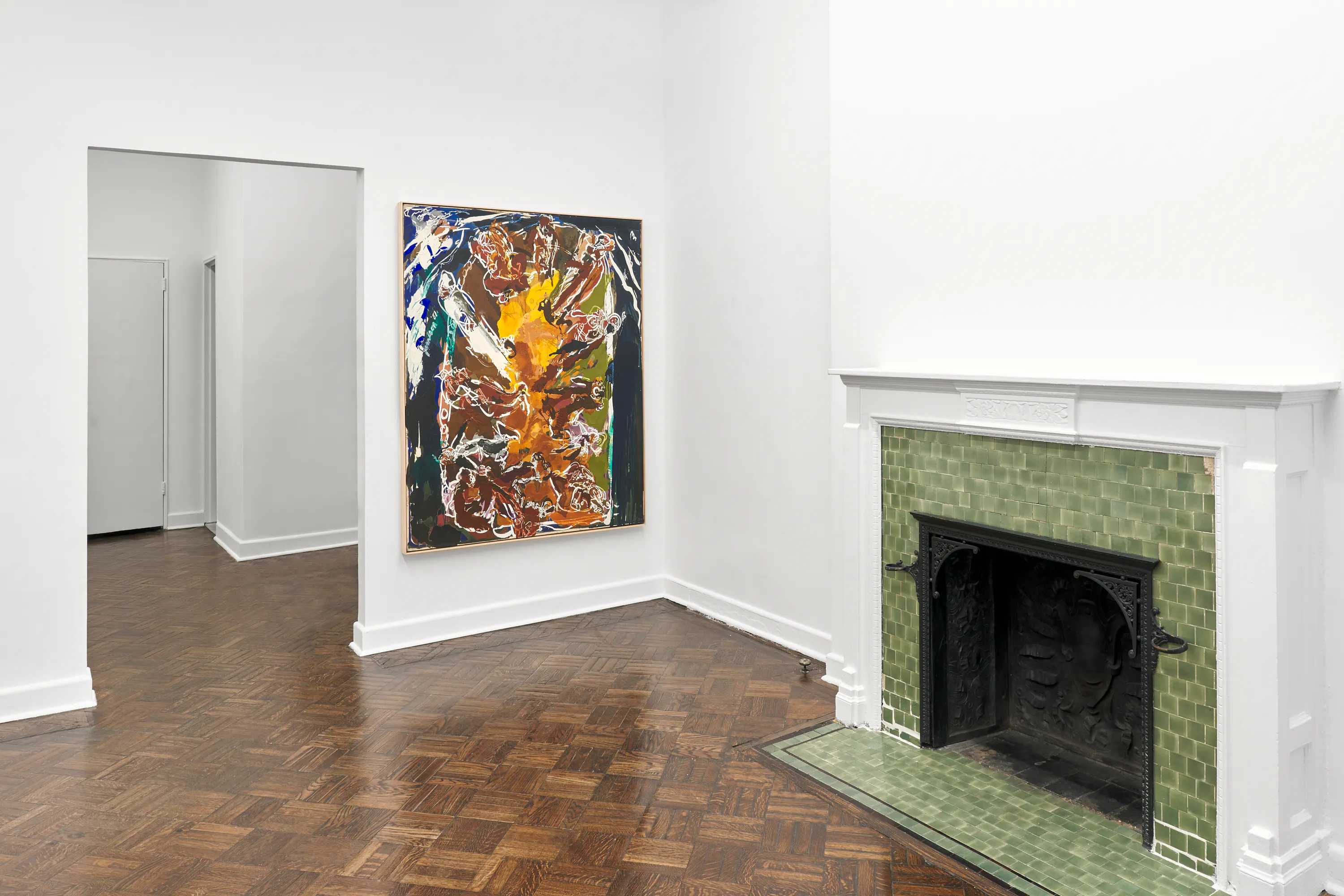
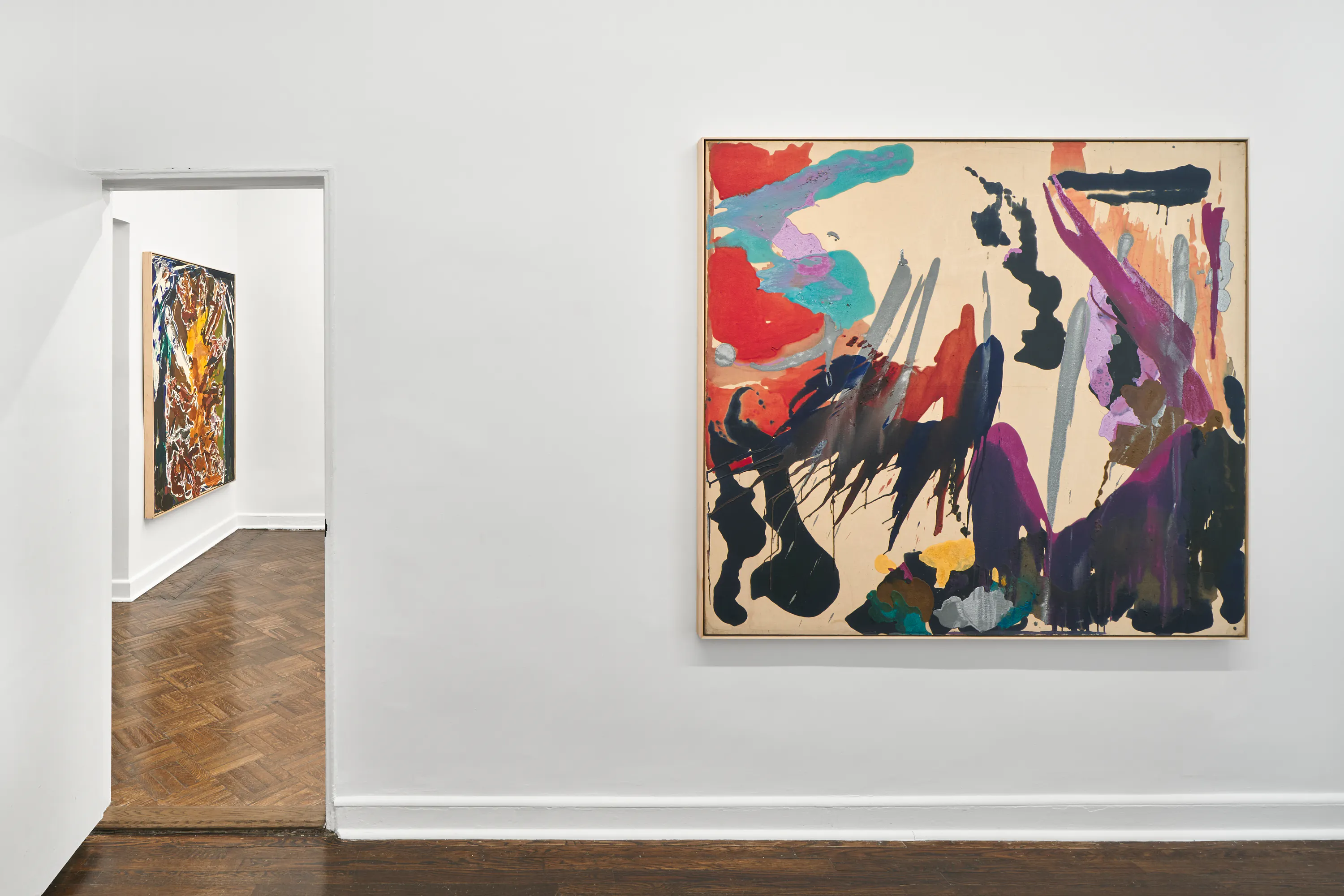
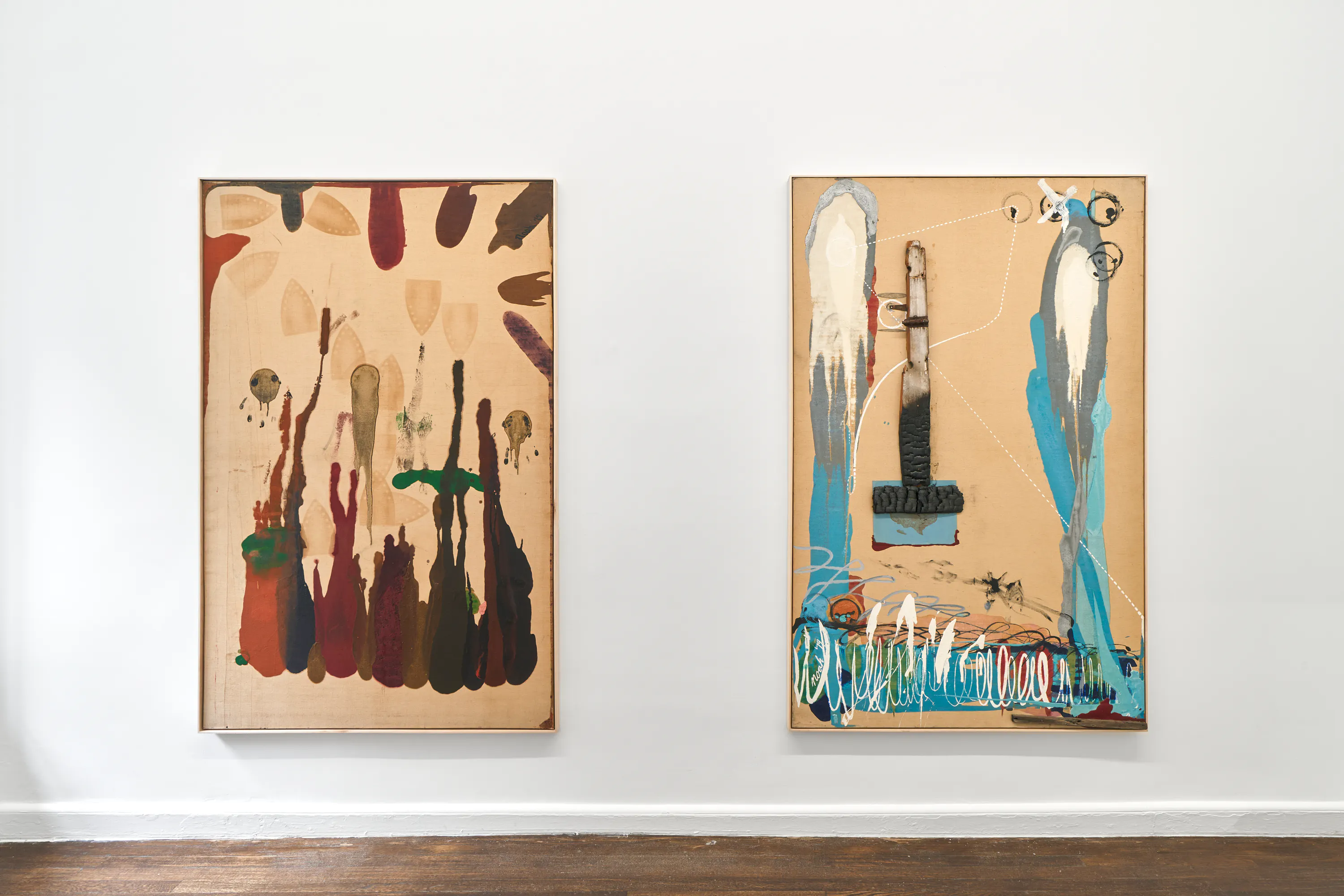
Donald Ryan Gallery is pleased to present Noah Jemisin: Fate’s Capriciousness, the first solo exhibition of the artist with the Gallery. The exhibition brings together a group of paintings and works on paper primarily made during the 1970s and 1980s.
Noah Jemisin (b. 1943), born and raised in Birmingham, Alabama, has lived and worked in New York City since 1973. Working across painting, sculpture, and performance, his practice reflects a sustained dialogue with the legacies of postwar American abstraction, the traditions of landscape painting, and the material innovations of assemblage. There is a restless search for truth in Jemisin’s work that has consistently pushed him beyond convention. He has forged his own direction as an artist through rigorous research and extensive travel throughout Africa, Europe, and India. Together, these pursuits have shaped the multicentered vision of his work and what he describes as his "own conception of reality."
Jemisin’s paintings reconsider the ways history is embedded in landscape and place. His landscapes are shaped not only by geography, but by the lives, memories, and spiritual legacies of those who have inhabited them. In 1993 Lucy R. Lippard described Jemisin’s paintings as the reunion of "the spirits of place, material, and history." She explains that Jemisin’s objects possess the power to call "any audience into a more intimate relationship with their own material memories." Place, for Jemisin, is both a record of lived experience and a means of negotiating and understanding of one’s own position in the world.
In Red Painting (1977), abstraction gives way to a landscape, recalling the paintings of J.M.W. Turner and Henry Ossawa Tanner, whose landscapes open as portals between the everyday and the sacred. With Reverse Dolmen (1978), Jemisin incorporates pieces of burned wood collected during a backpacking trip through the Catskill and Adirondack Mountains. Two elongated, totemic painted forms flank the vertical canvas, while the title evokes the prehistoric dolmens of northern Europe. Together, these elements collapse distant geographies and histories, imagining a space in which memory, ancestry, diaspora, and myth converge. Time itself seems to fold into and around these paintings.
Jemisin developed a singular visual language in which abstraction dissolves the distinction between the real and the imagined, the past and the present. In Fate's Capriciousness (1978), two sweeping gestures rise from the bottom of the canvas. Their structure recalls the paintings of Kenneth Noland, while their flowing execution remains closer to Helen Frankenthaler and Morris Louis. Near the center of the canvas, a seemingly small gesture resolves into an ascending figure that appears to soar across the pictorial space, as though it was on its way to another realm. The figure may be understood as a deity, a priest, or perhaps a form of self-portraiture through which Jemisin imagines himself slipping beyond the cosmos.
A similar figure reappears in Back Through Middle Passage (1989), a work painted shortly before Jemisin’s first trip to Africa. Here is a new perspective, the comet-like form is larger and more direct, appearing to launch outward from a field of abstraction that evokes the hull of a slave ship crossing the Atlantic. Jemisin described his ambition during this period as making paintings that would "carry the overtones, casting fate to the wind so that it can come straight out of the horse’s ass." By employing abstraction, the artist directly confronts the abstract forces that structure our lives. For Jemisin, abstraction is closer to reality than realism. His paintings maintain that the past is not fixed or distant but remains active within the present, capable of being encountered, revisited, and reimagined.
Jemisin began exhibiting in New York in the 1970s and was among the first artists associated with Just Above Midtown (JAM), an influential gallery founded by Linda Goode Bryant in 1974. From 1978 to 1979 he was an Artist-in-Residence at the Studio Museum in Harlem. In 2022, his work was included in the Museum of Modern Art's exhibition Just Above Midtown: Changing Spaces curated by Thomas Lax. His work is represented in the permanent collections of The Metropolitan Museum of Art, the Smithsonian American Art Museum, and the Birmingham Museum of Art. Following a trip to Africa in 1992, the artist adopted the spelling “Jemisin” in place of "Jemison," the name he has used in his artistic practice ever since.
Noah Jemisin: Fate’s Capriciousness will be on view at Donald Ryan Gallery from September 9 through October 24, 2026.
For additional information, please contact Donald Ryan at info@donaldryangallery.com or +1 (917) 740-3570.
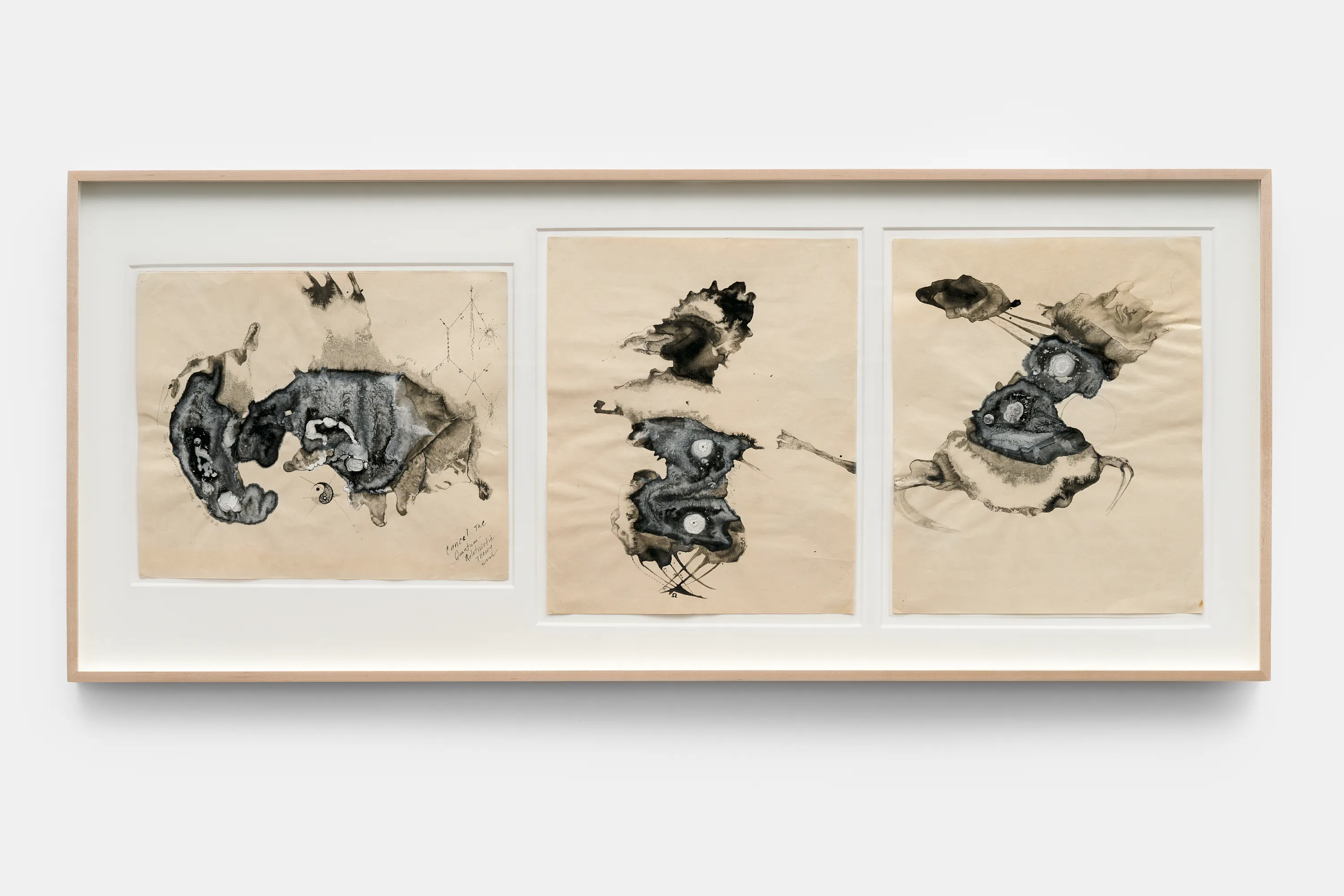
Noah Jemisin
Untitled (GessoWink Series), 1978
Gesso and ink
23 × 54 × 1 ½ in. (58.4 × 137.2 × 3.8 cm) (framed)
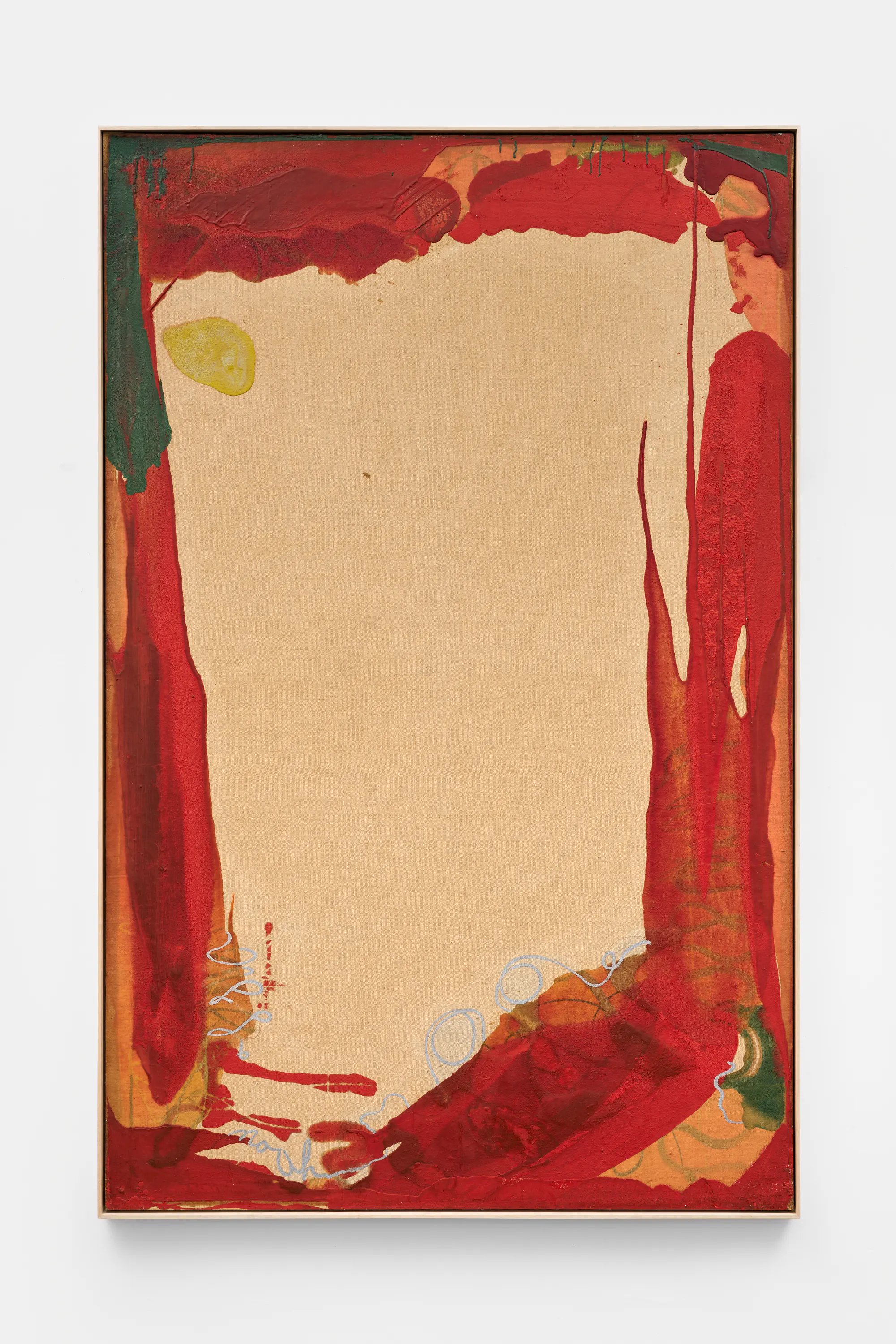
Noah Jemisin
Red Painting, 1977
Encaustic on canvas
72 × 46 in. (182.9 × 116.8 cm)
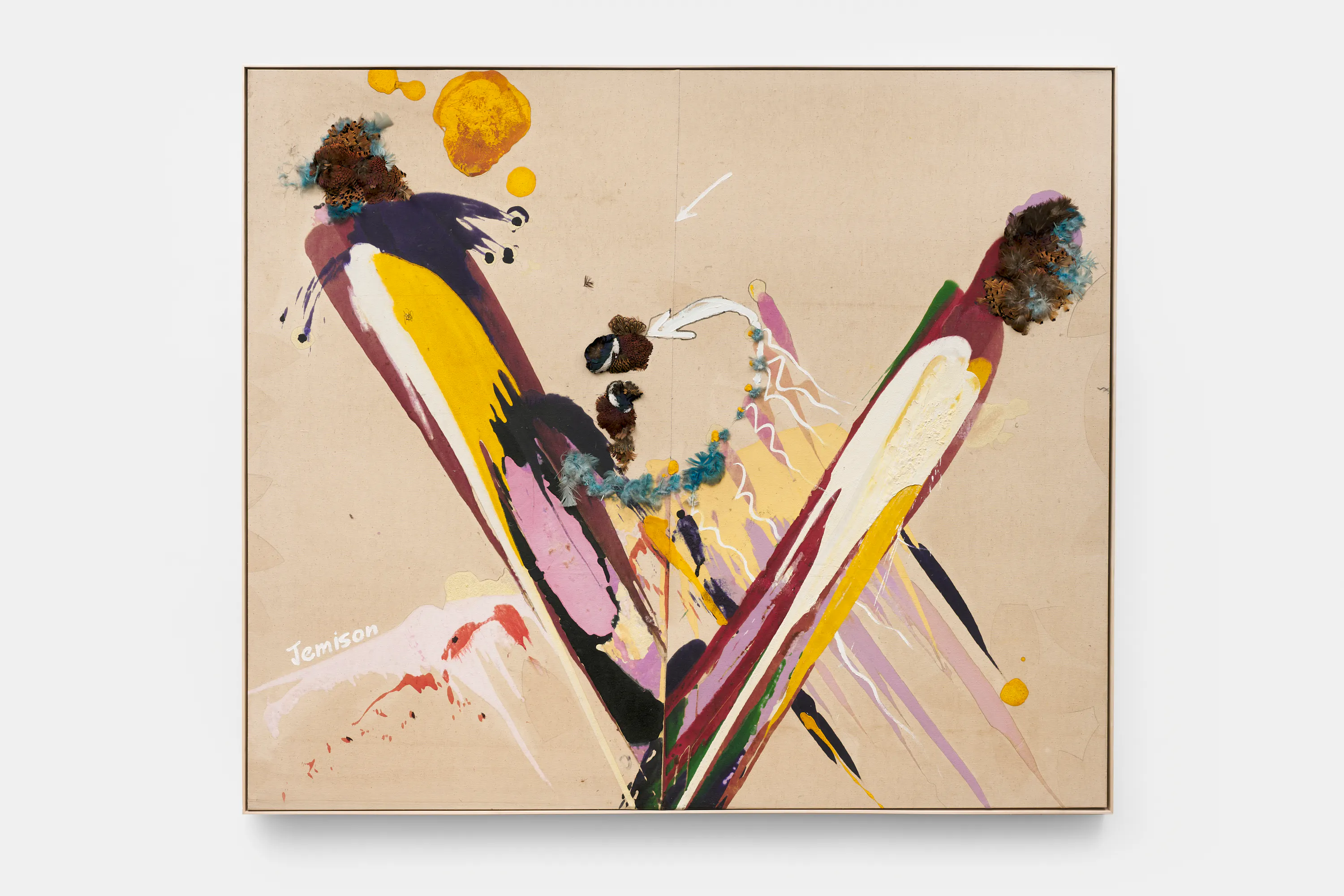
Noah Jemisin
Fate’s Capriciousness, 1978
Encaustic on canvas with mixed media, pheasant plumage, and gesso
72 × 84 in. (182.9 × 213.4 cm)
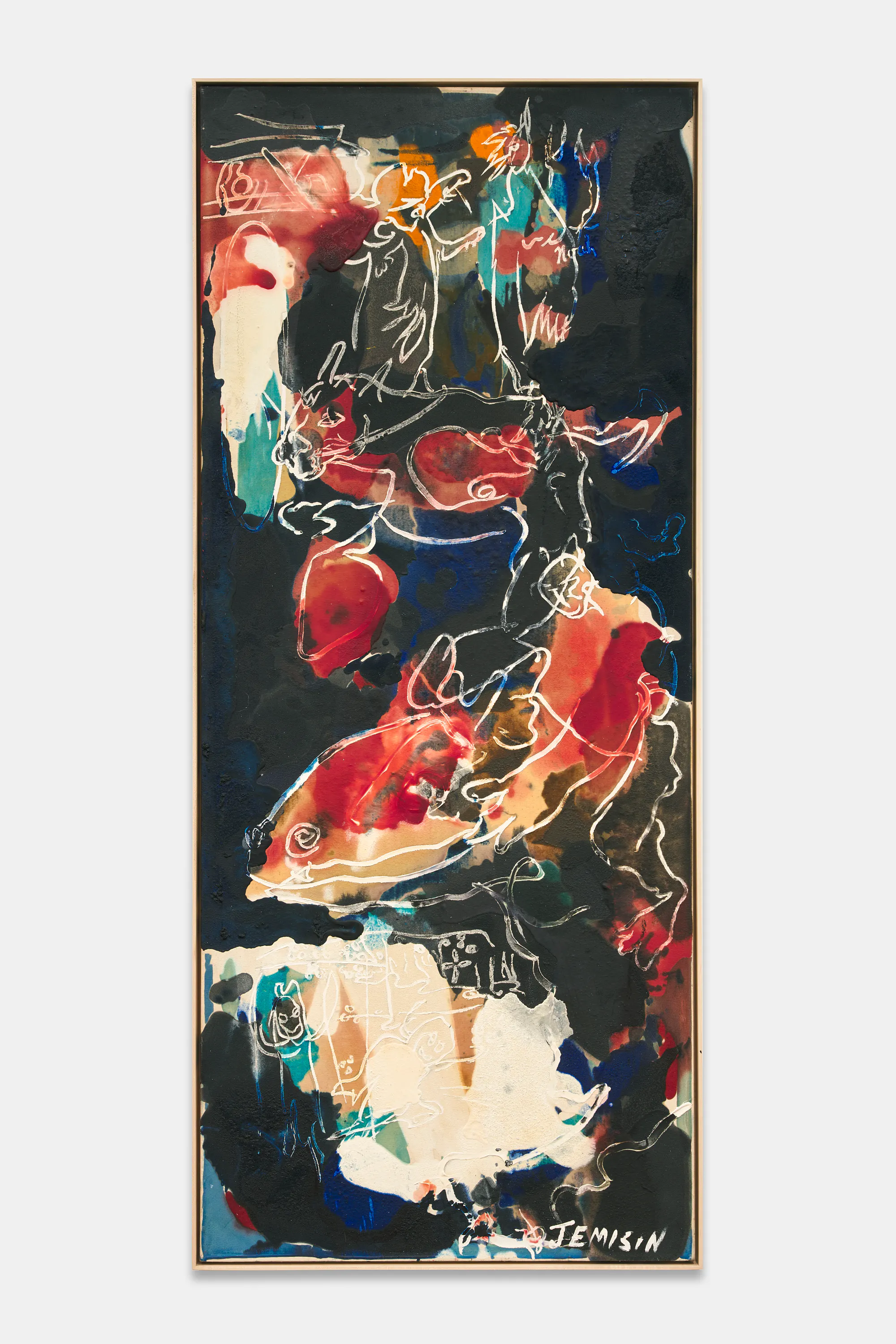
Noah Jemisin
Carnivores Dream, 1992
Encaustic on canvas
74 × 31 × 2 in. (188 × 78.7 × 5.1 cm)
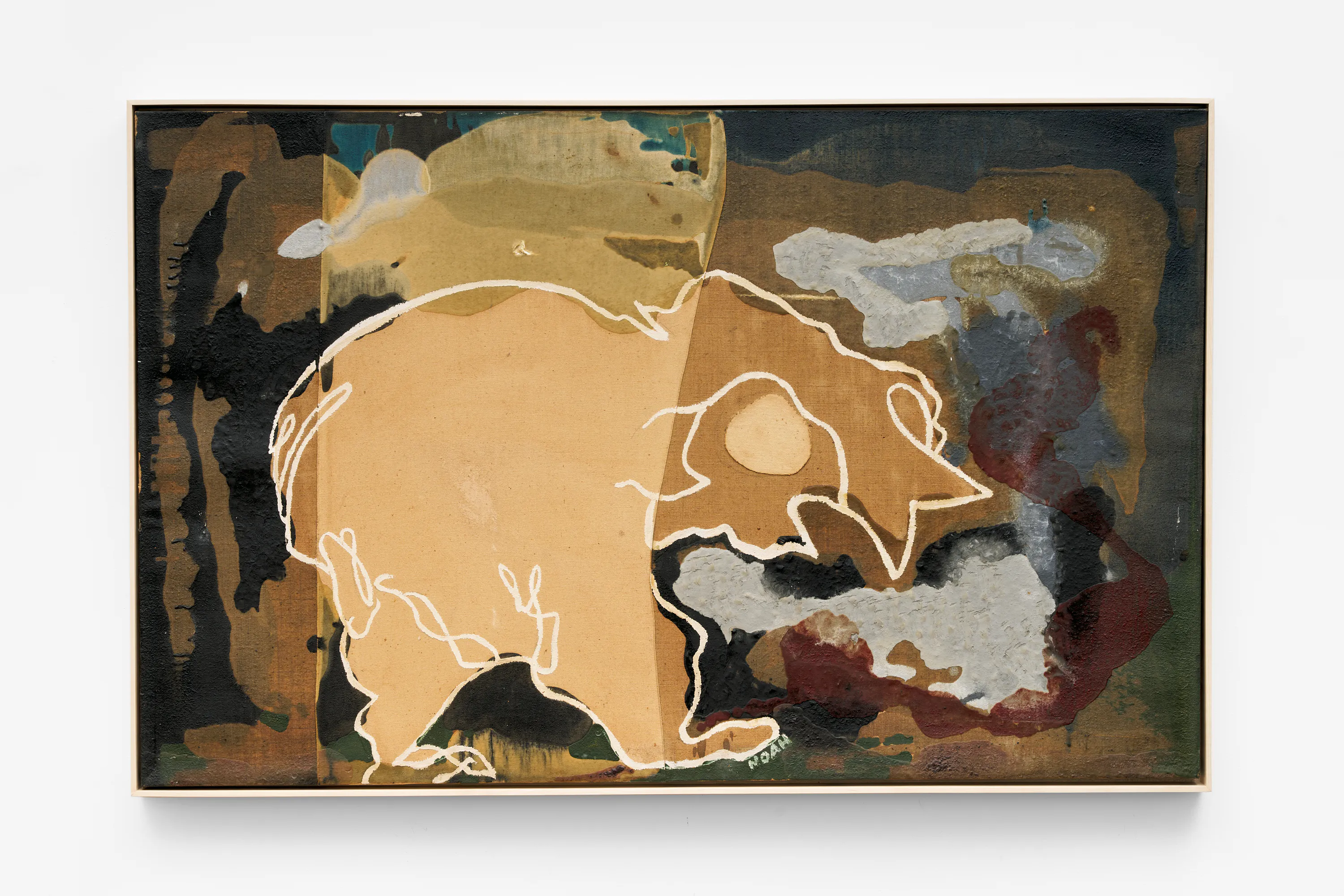
Noah Jemisin
Walking Through the Universe — Happy as a Pig in Shit (Self Portrait), 1980
Encaustic on canvas
31 × 49 in. (78.7 × 124.5 cm)
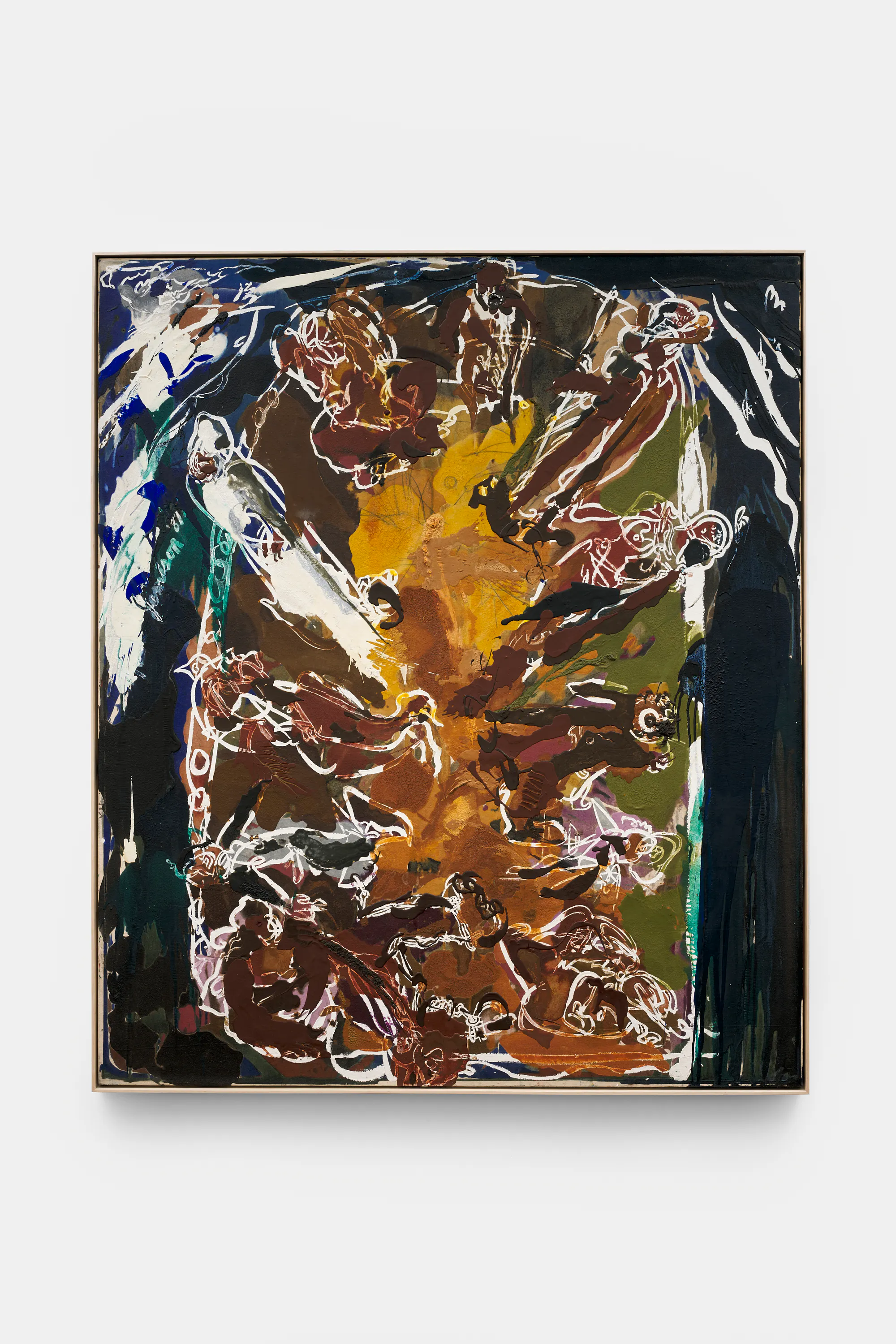
Noah Jemisin
Back Through Middle Passage, 1989
Encaustic on canvas
60 × 54 in. (152.4 × 137.2 cm)
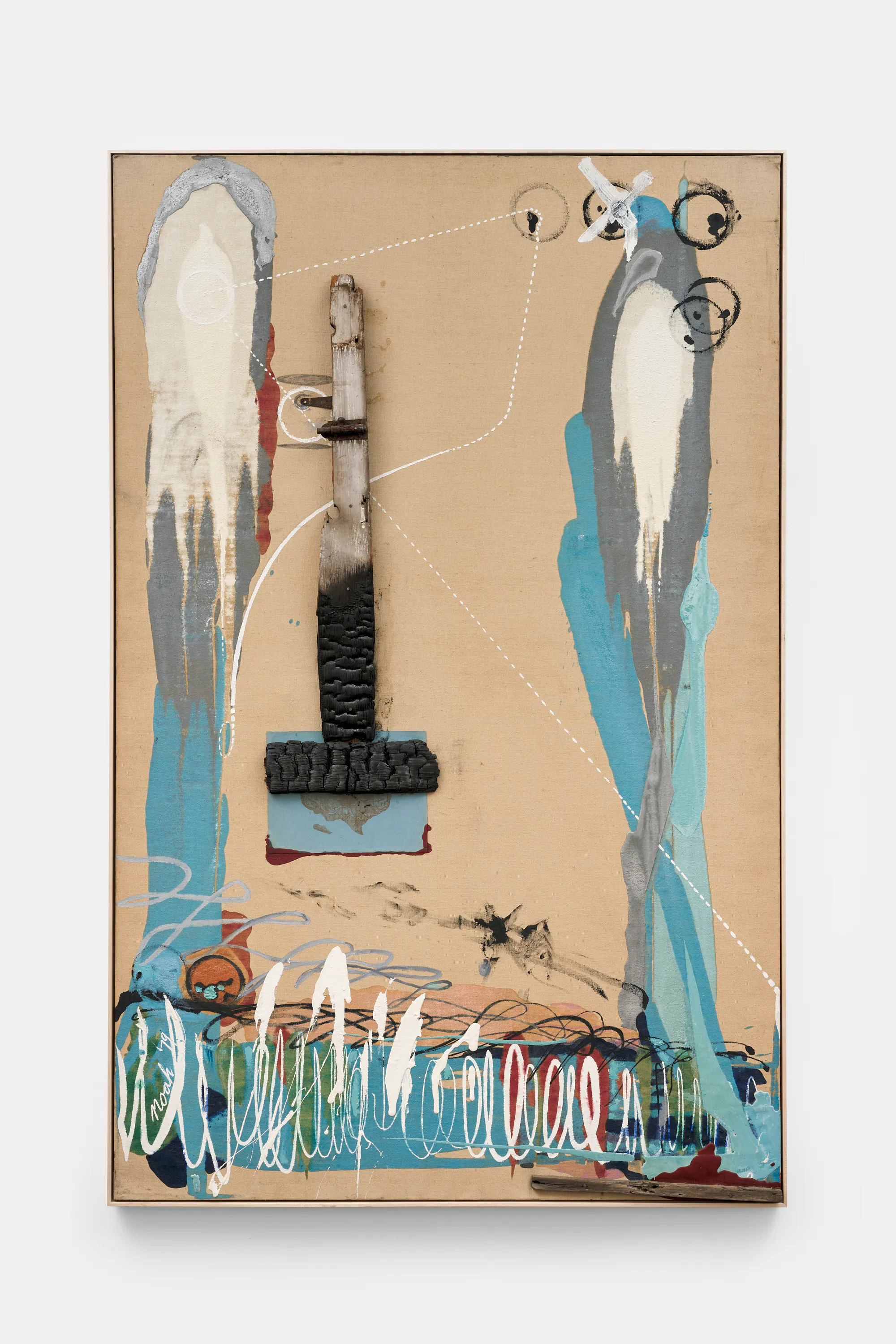
Noah Jemisin
Reverse Dolmen’s Blue Flames of Passion, 1979
Encaustic and wood on canvas
72 × 46 in. (182.9 × 116.8 cm)
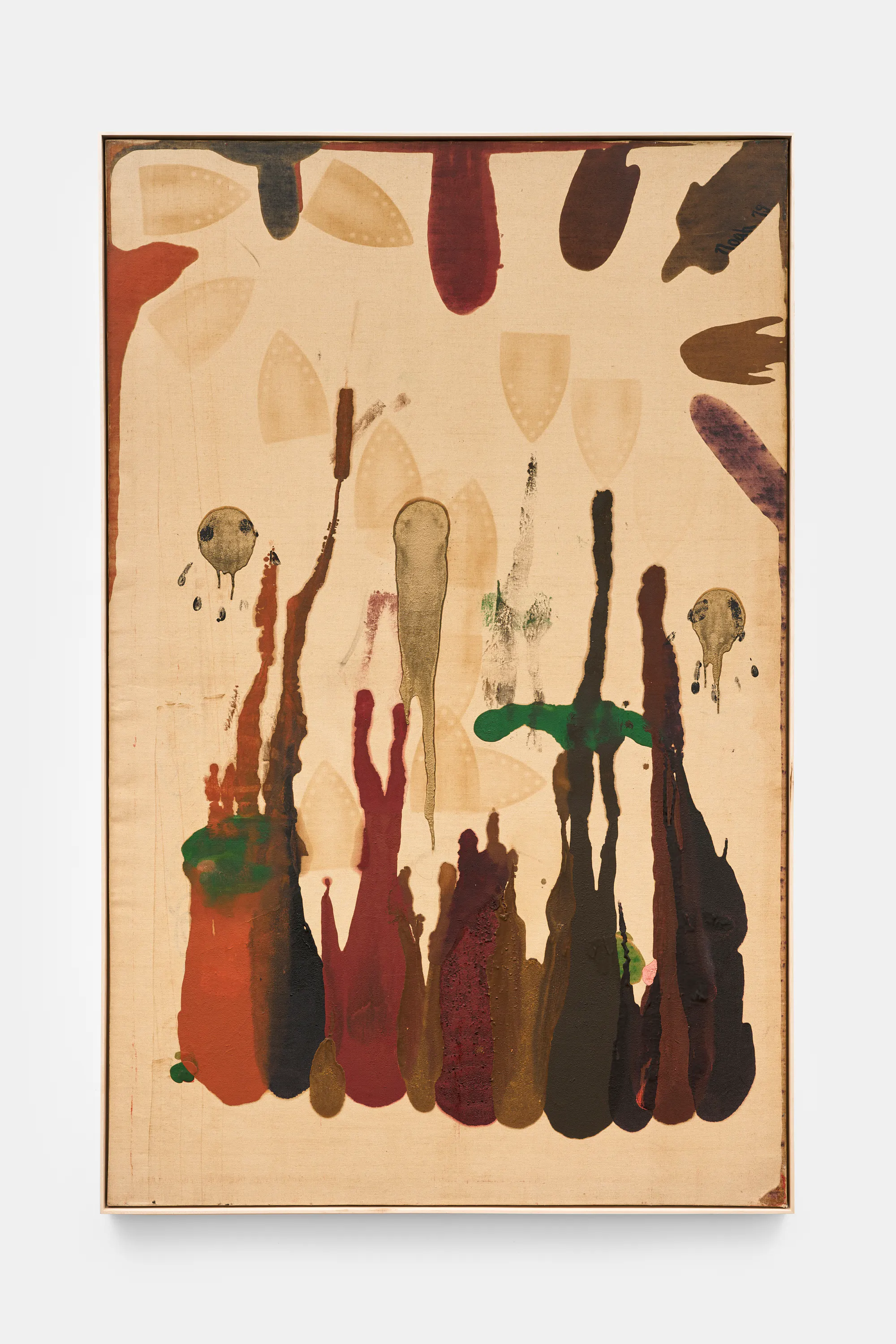
Noah Jemisin
The Creation, 1978
Encaustic on canvas with iron burns
72 × 46 in. (182.9 × 116.8 cm)
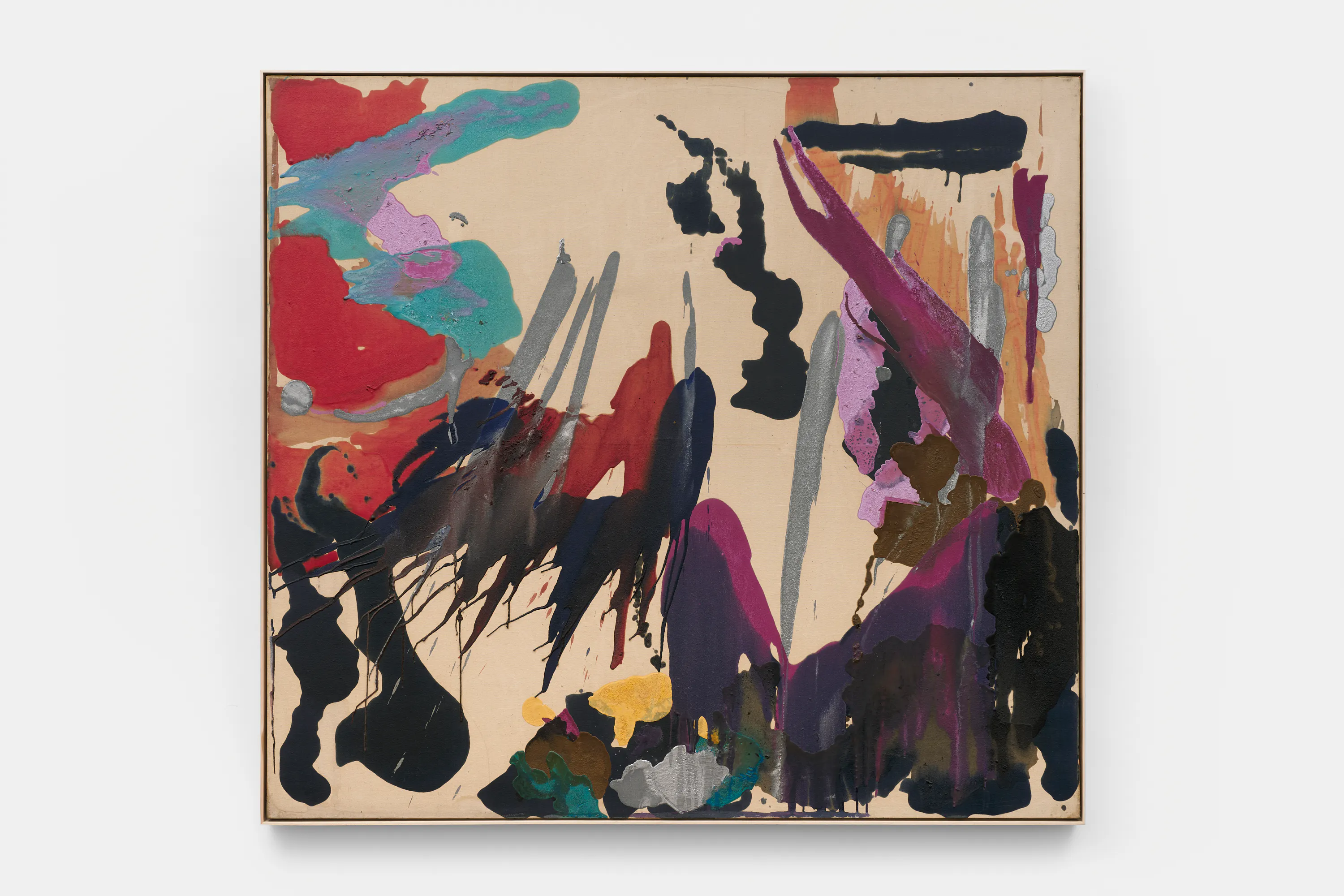
Noah Jemisin
Shamanic Dream, 1980
Encaustic on canvas
60 × 65 in. (152.4 × 165.1 cm)
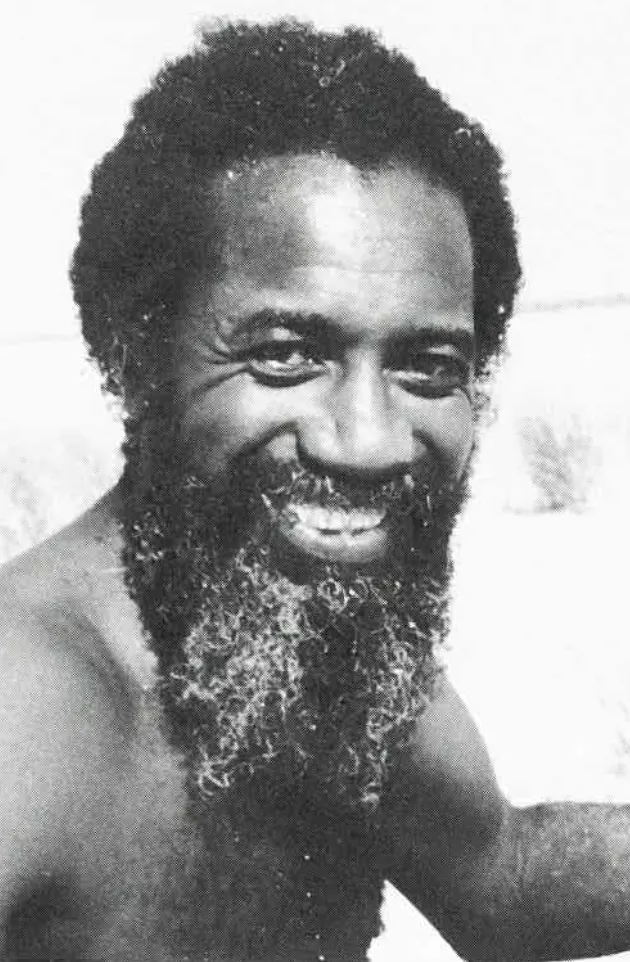
Noah Jemisin (born Noah Jemison, Birmingham, Alabama, 1943) is an American painter, sculptor, printmaker, and performance artist who has lived and worked in New York City since 1973. He received his MFA from the University of Iowa in 1974 after studying at Alabama State University. In 1978–79, he was an Artist-in-Residence at the Studio Museum in Harlem, and he was among the early artists associated with Just Above Midtown (JAM), the pioneering New York gallery founded by Linda Goode Bryant. Following a trip to Africa in 1992, he adopted the spelling "Jemisin," the name under which he has worked ever since.
Jemisin's work moves fluidly between painting, drawing, sculpture, and performance, drawing on postwar abstraction, landscape traditions, and assemblage while reflecting decades of travel throughout Africa, Europe, and India. In 2022, his work was included in the Museum of Modern Art's exhibition Just Above Midtown: Changing Spaces curated by Thomas Lax. His work is held in the collections of the Metropolitan Museum of Art, the Birmingham Museum of Art, the Stanley Museum of Art at the University of Iowa, the Library of Congress, the Montclair Art Museum, the Museum of International Folk Art, and other public and private collections. He has received awards from the New York Foundation for the Arts and the Pollock-Krasner Foundation, among others.


